The main research focus in Estonian Biocentre is on the studies of human genetic diversity and the evolutionary factors and events that have had a major impact on this.
Established in 1632, the University of Tartu (UT) is the oldest and largest university in Estonia both in terms of staff and student numbers, as well as the volume of its teaching, research and development activities. UT is Estonia’s only classical university where research is conducted in the fields of humanities and arts, social sciences, medical sciences, and natural and exact sciences. Today, UT comprises four faculties (Faculty of Arts and Humanities, Faculty of Social Sciences, Faculty of Medicine, and Faculty of Science and Technology) with 13,400 students (incl. more than 1600 international students) enrolled in its 197 research-based undergraduate and postgraduate degree programs.
UT is the only university in the Baltic region that belongs to the top 1.2% of the world’s best universities, ranking 285th in the QS World University Rankings, and within the 250–300 range in the Times Higher Education (THE) World University Rankings.
Partner's team
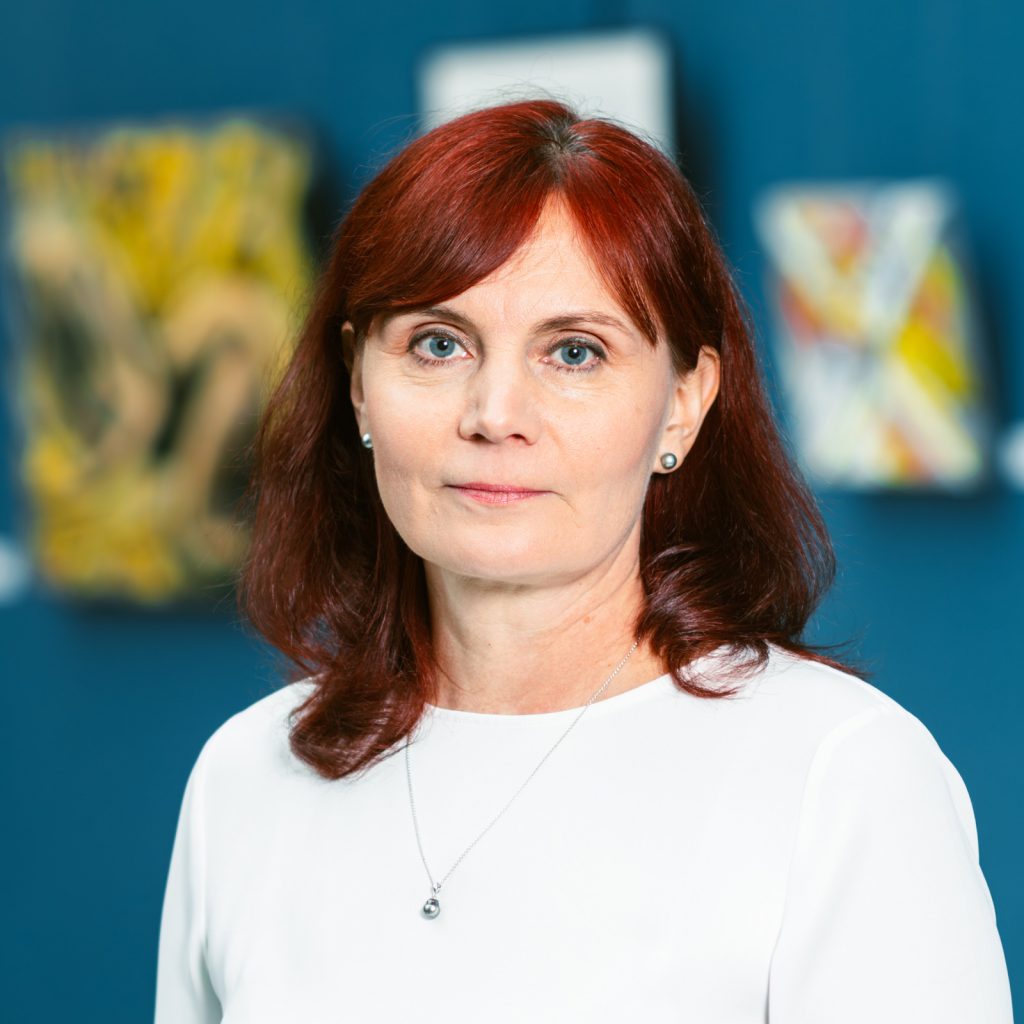
Kristiina Tambets
Professor of Archaeogenomics, Vice Director of UT Institute of Genomics
Kristiina Tambets
Professor of Archaeogenomics, Vice Director of UT Institute of Genomics
Biologist with primary research interests in human evolutionary biology and genomics, operating within the transdisciplinary research field of the human past. My current research focuses on analysing genomic data from both modern and ancient populations to investigate the interplay between biological and cultural factors and their influence on health outcomes and the social structure of the population.
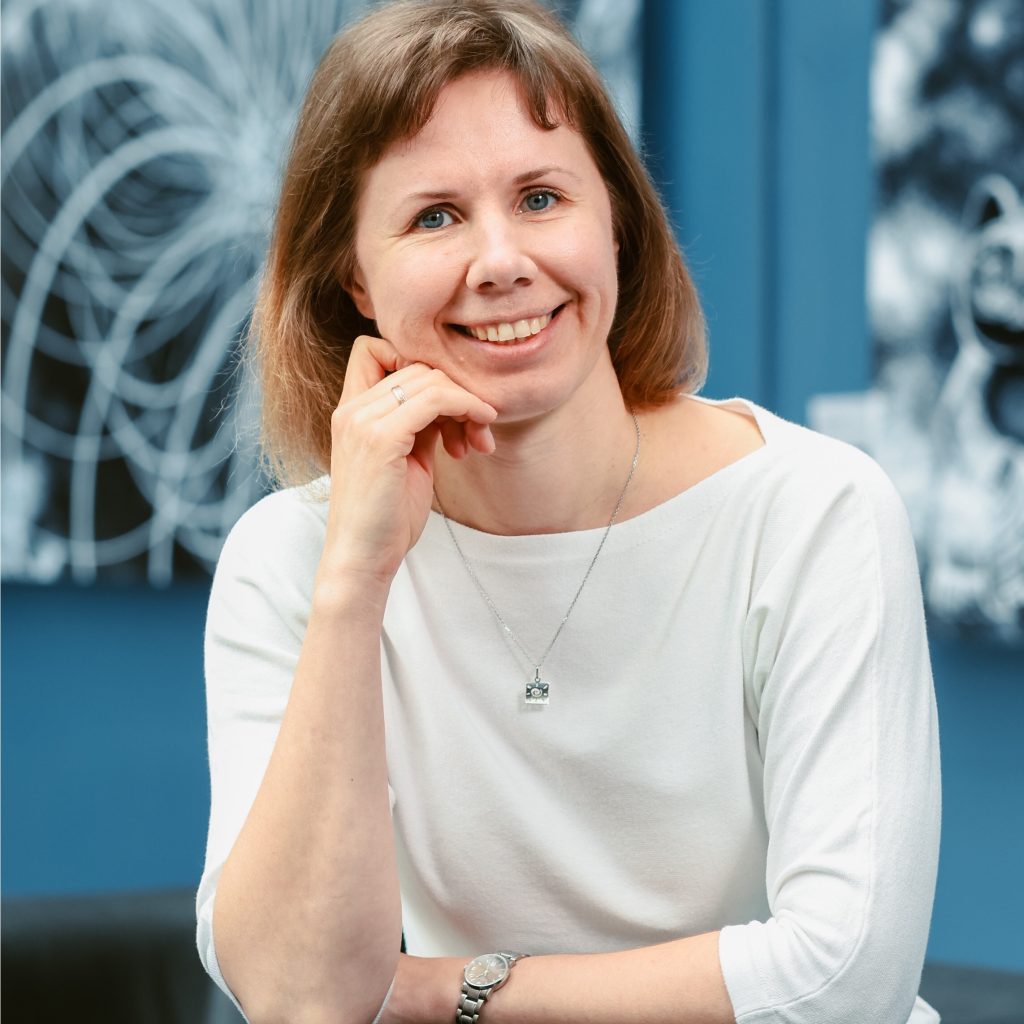
Alena Kushniarevich
Associate Professor of Population Genetics
Alena Kushniarevich
Associate Professor of Population Genetics
I study the genetic and cultural diversity of human populations, focusing on the demographic history of Eastern Europeans. Using ancient and modern genomes, I explore population structure, past migrations and admixture. I use genotype imputation to enhance the quality of ancient DNA data and extend its usability in demographic inferences.
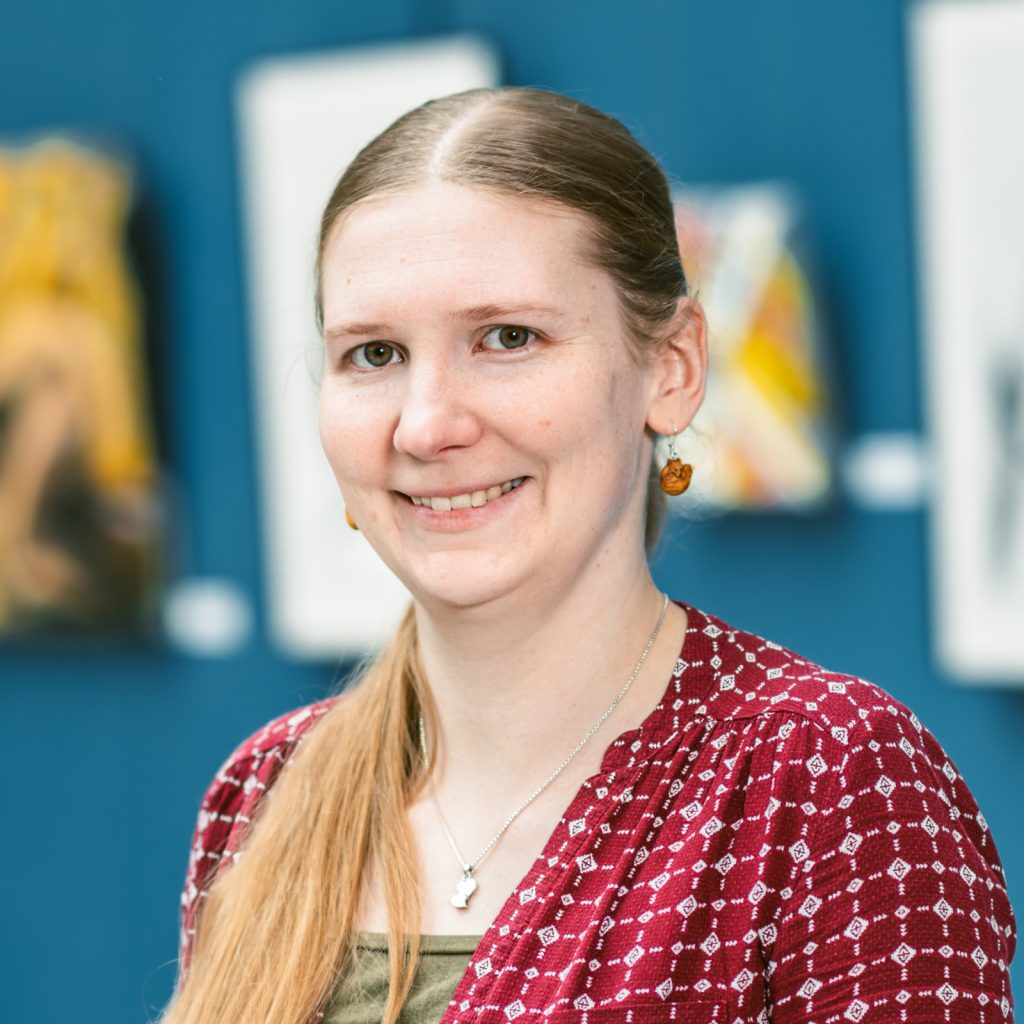
Lehti Saag
Research Fellow of Ancient DNA
Lehti Saag
Research Fellow of Ancient DNA
I’m interested in the human past and study it using ancient DNA. My main focus so far has been on Eastern European – Estonian, Russian, Ukrainian – populations through time from the Mesolithic to the medieval period.
Monika Karmin
Research Fellow of Population Genetics
Monika Karmin
Research Fellow of Population Genetics
Human culture, history and prehistory have interested me, so I have studied the genetic diversity of diverse human groups around the world, focussing on the paternal lineas of contemporary populations. Eastern Baltic people show genetic affinities to major European groups but also carry lineages that reach far to the East. I’m interested in disentagling the complex patterns of local population dynamics with phylogenetic tools and haplotype based methods.
Erkin Alacamli
PhD Student / Junior Research Fellow
Erkin Alacamli
PhD Student / Junior Research Fellow
I am interested in the dynamics of the population processes in Eastern Europe and the Baltic region with a focus on the late Iron Age and Medieval time periods by utilizing haplotype-based analyses with the help of genetic imputation.
Valter Lang
Professor of Archaeology, Head of the Institute of History and Archaeology
Valter Lang
Professor of Archaeology, Head of the Institute of History and Archaeology